Is every walk a tug of war?
How to Stop Leash Pulling Without Choke Chains or Sore Shoulders
A 4-week, force-free plan: comfortable gear, seven short games at home and simple outdoor methods, with a tracker to show your progress.
Instant PDF · 28 pages + 5 printables · 30-day guarantee
- One-time payment
- No subscription
- Read on any device
Dear dog owner,
The leash clicks on and your dog is already at the door. Two houses down your arm is out in front of you, your shoulder aches, and a squirrel hasn’t even shown up yet.
If that’s your walk, you’re not weak and your dog isn’t stubborn. Dogs walk faster than we do. Every time the walk moves forward on a tight leash, pulling works.
Here’s what most owners never hear: no harness fixes the habit on its own. Gear can make walks more comfortable. Training is what changes the pulling. And jerks and scolding add stress without showing your dog what to do instead.
The good news: the skill starts in your living room, where nothing is more exciting than you.
So the fix isn’t a tighter grip. It’s making a loose leash the thing that moves you forward.
Sound familiar?
- Your arm gets yanked and your shoulder aches after walks
- Your dog coughs against the collar and you don’t know what to try instead
- You’ve nearly gone over when a squirrel or another dog appears
- Walks feel like a chore when they should be the best part of the day
Why the usual advice backfires
Every step on a tight leash pays the pull
Dogs walk faster than we do. When the walk speeds up the moment the leash goes tight, pulling works. The plan makes a loose leash the thing that moves you forward.
Jerks and scolding don’t teach a loose leash
Veterinary behavior groups recommend reward-based training over aversive tools. Yanking and telling a dog off add stress without showing what to do instead.
Gear manages pulling, training changes it
No harness fixes the habit on its own. The guide shows how to fit gear comfortably and what to skip, then teaches the skill itself.
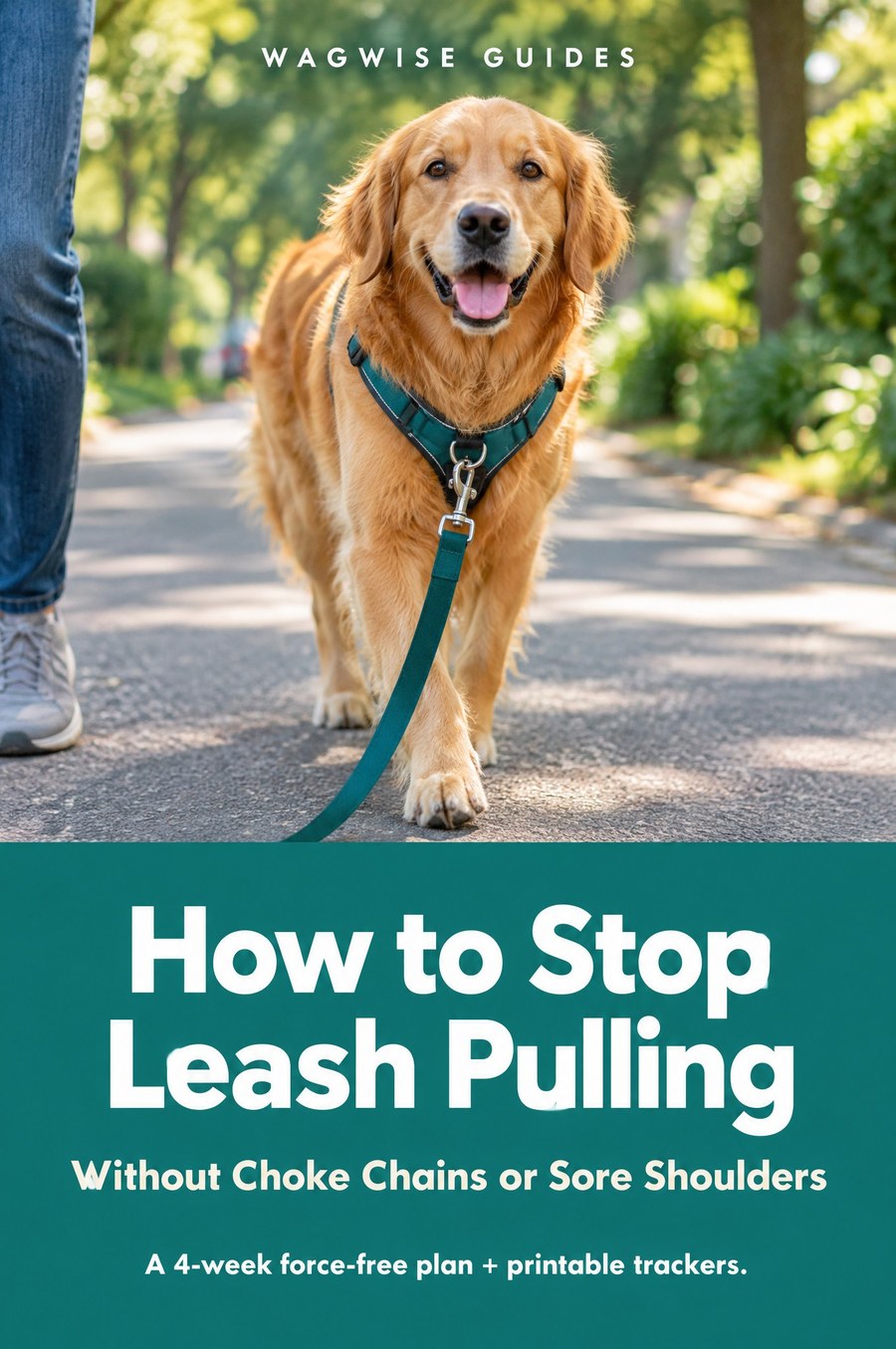
Introducing
Stop Leash Pulling: the 4-week loose-leash walk plan
A 2-minute health check, a gear fit check, seven 2–3 minute games at home, then quiet streets and your real routes, with a tracker that shows the stops getting fewer.
- 1
Check, then set up
A 2-minute check for pain, cough and reactivity, plus a gear fit check, before any training starts.
- 2
Play the games at home
Seven short games teach a loose leash where nothing is more exciting than you.
- 3
Take it outside and track
Quiet streets first, then real routes. The tracker shows the stops getting fewer.
Inside the guide
Why the same walk keeps going wrong, and what to do on the next one
- Why one step forward on a tight leash teaches your dog to pull, and what to do insteadChapter 1
- The 2-minute, six-question check that tells ordinary pulling from pain, a cough or reactivityChapter 2
- Why the guide doesn’t name a “best” harness, and where experts disagreeChapter 3
- Seven 2-3 minute games that build a loose leash in your living room firstChapter 4
- How to turn before the leash goes tight, and how many stops are normal in week 1Chapter 5
- What to do on a bad day, and how to know when to move up a step or step backChapter 6
- The sniff walk: why trainers use it, and an honest note on what the evidence showsChapter 8
- Why a hands-free belt isn’t for strong pullers, and tips for sore shoulders and handsChapter 9
Plus 5 printables to keep you on track
Print at home on US Letter or A4, as often as you need.
Instant PDF · 28 pages + 5 printables · 30-day guarantee
- One-time payment
- No subscription
- Read on any device
This is for you if…
- Your dog pulls on walks, at any age
- Your arm, shoulder or hands ache after walks
- You want to skip choke, prong, shock and spray tools
It’s not the right first step if…
- Pulling is new or sudden, or your dog coughs or limps
- Your dog lunges, growls or has bitten
- Then please see your vet first, then a qualified behavior professional
Everything you get today
Here’s everything in Stop Leash Pulling
Stop Leash PullingInstant download · PDFInstant PDF · 28 pages + 5 printables · 30-day guarantee
- One-time payment
- No subscription
- Read on any device
Best value · all 9 guides
Buy them all together for $49
The Complete Dog Fix Library: all 9 guides and every printable, in one download. Bought one by one they cost $153 (9 × $17), so you save $104.
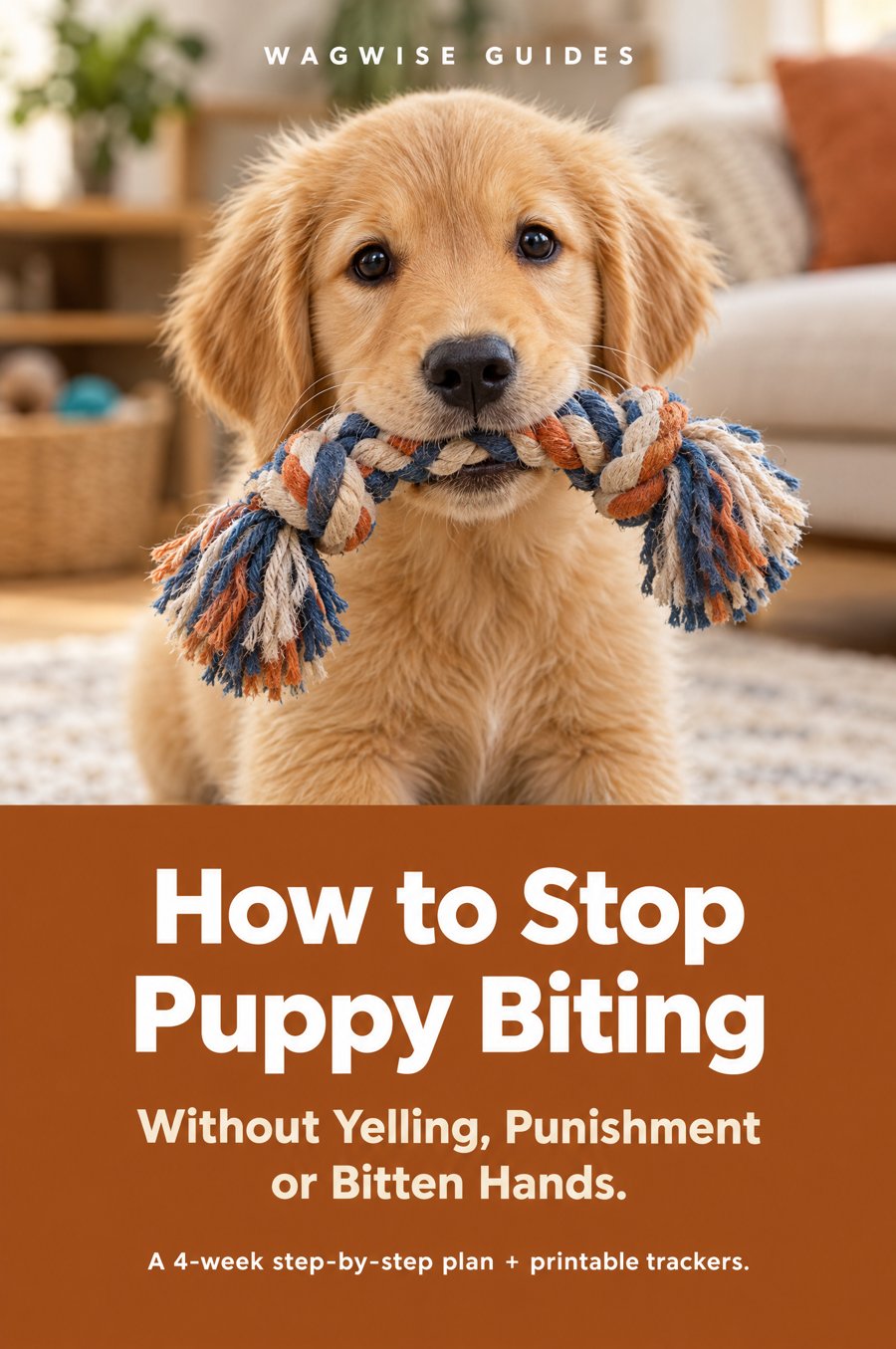
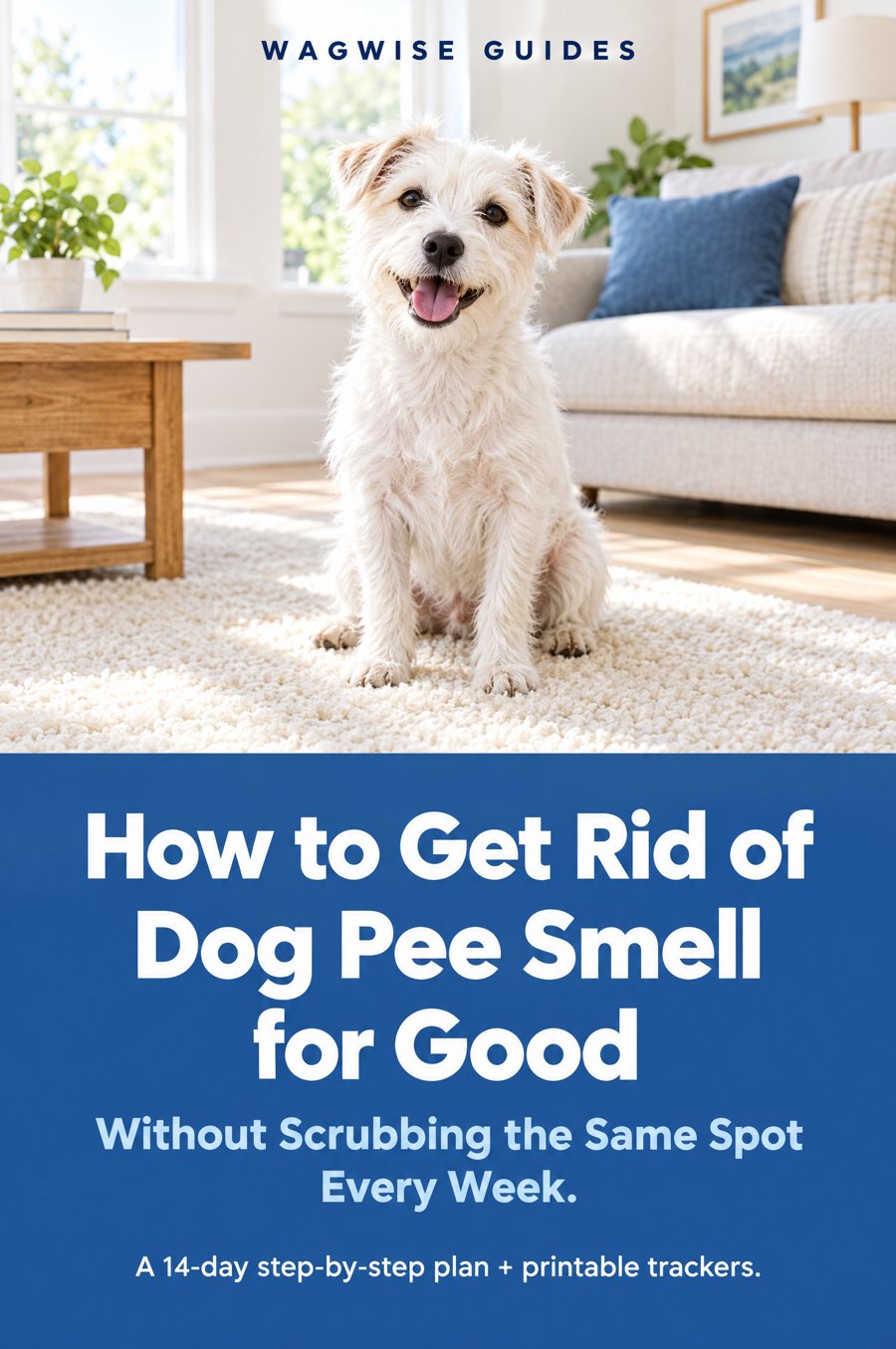

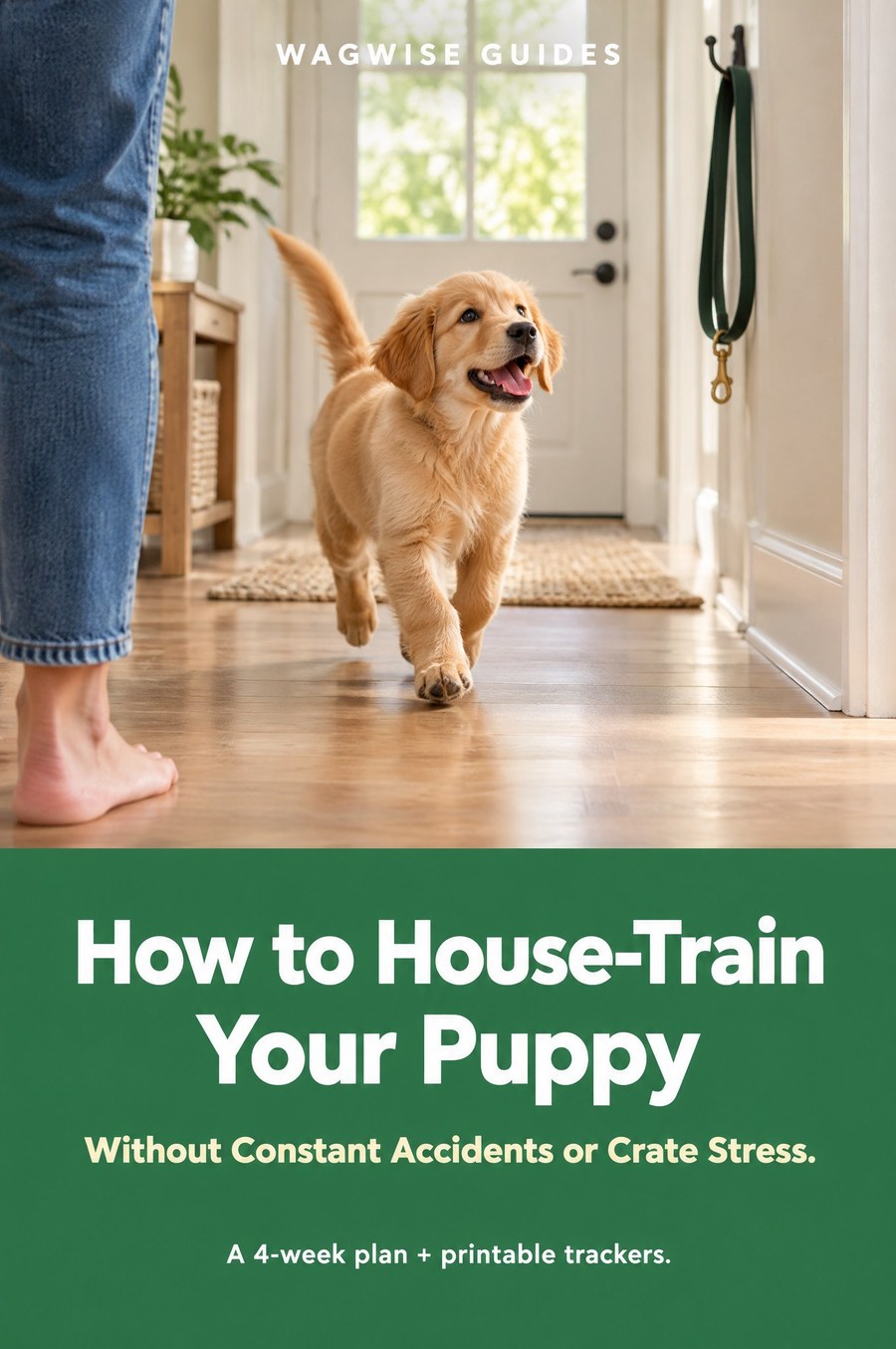

$153$49Save $104 (67% off)
One payment · instant PDFs · 30-day guarantee
Try it for 30 days. If it doesn’t help, get every cent back.
Read it and try the plan. If it doesn’t help, email support@wagwise.net within 30 days of purchase for a full refund. Loose-leash walking takes weeks of practice, and longer for a dog who has pulled for years. Expect steady progress, not overnight results.
Questions
Is this right for my dog?
It’s for dogs of any age who pull on the leash, from puppies to adopted adults, with extra sections for big dogs, small dogs and chasers. For an older dog, check with your vet first.
Is it a physical book?
No. It’s an instant PDF you can read on any device or print at home on US Letter or A4 paper.
Does it use punishment or special collars?
No. Every method is force-free and reward-based. The guide advises against choke, prong, shock and spray tools, and against retractable leashes.
My dog lunges, growls or has bitten. Is this for us?
That is more than pulling. The 2-minute check and red-flag list point you to your vet first, then a qualified behavior professional. A new or sudden change, a cough or a limp also means a vet visit before training.
What if it doesn’t help?
Email us within 30 days of purchase for a full refund.
Calmer walks, a loose leash and shoulders that stay out of the fight
Instant PDF · 28 pages + 5 printables · 30-day guarantee
- One-time payment
- No subscription
- Read on any device
P.S. If you skimmed to the bottom: Stop Leash Pulling gives you a gear check, seven games at home and a 4-week walk plan, with a tracker that shows the stops getting fewer. It’s $17, instant, and covered by a 30-day money-back guarantee. Get it here.
Not ready yet? Get the free checklist (free).
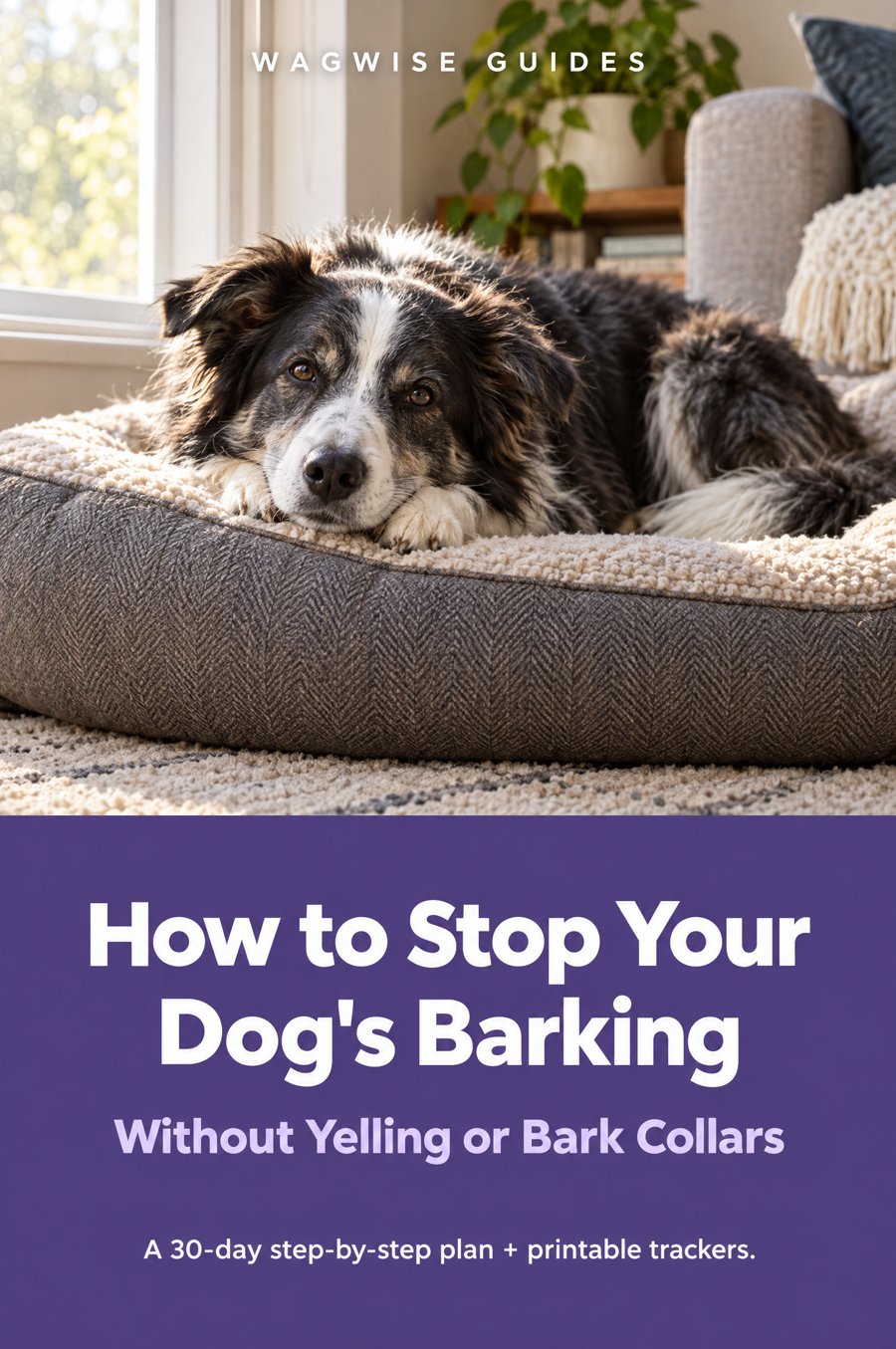 Often needed nextHow to Stop Your Dog’s Barking Without Yelling or Bark CollarsSee the guide →
Every dog is different, so results vary. Our guides are educational and don’t replace advice from your vet. Methods are force-free and checked against published veterinary and welfare guidance, with sources cited.